
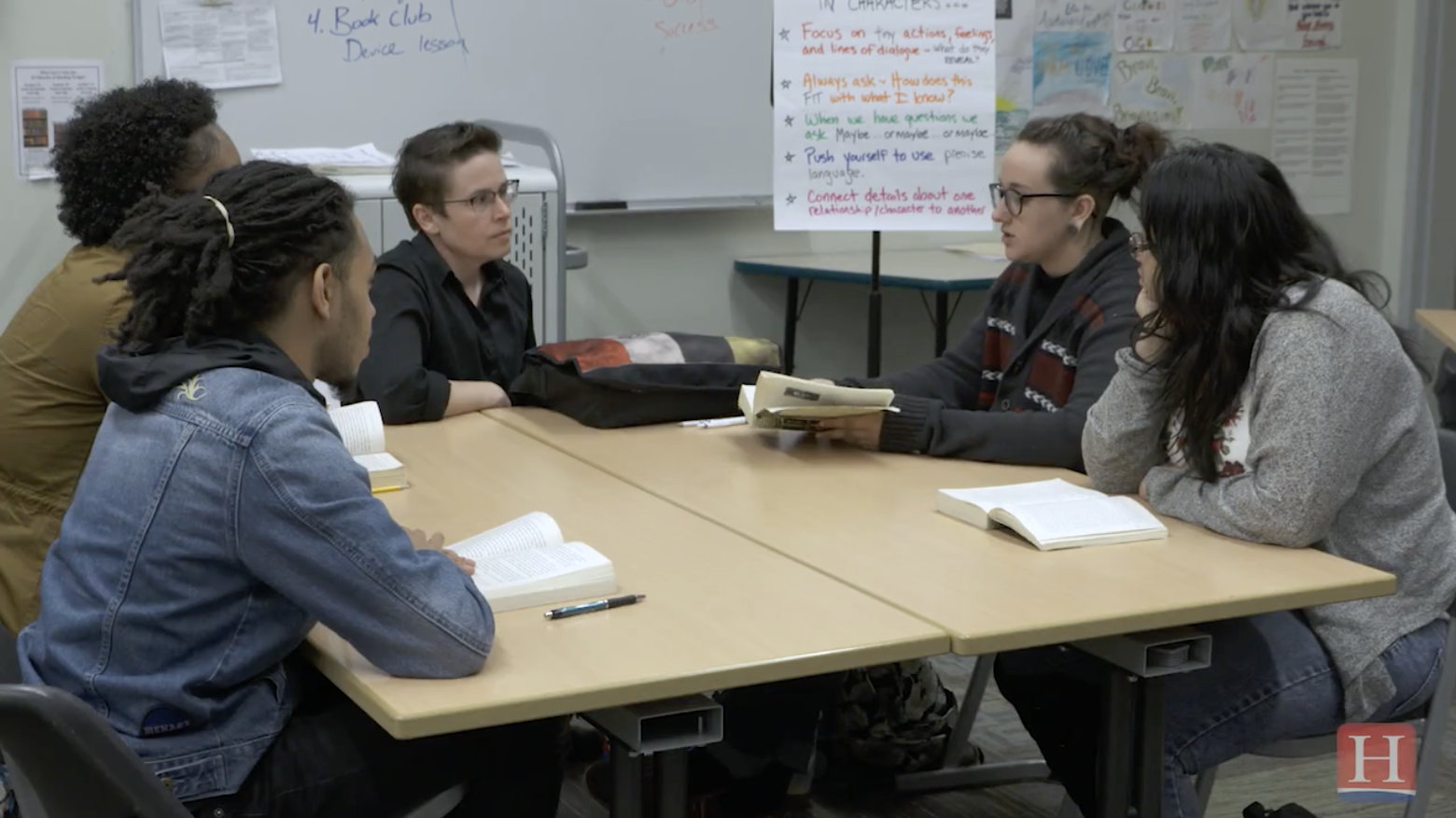
In recent years, there has been a shift towards a student-centered approach in education. This approach focuses on creating a learning environment that caters to the needs, interests, and abilities of each individual student, rather than relying solely on traditional methods of teaching. By incorporating activities that encourage active learning and real-world applications, this approach can increase student engagement and help them learn beyond books.
The traditional method of teaching, where teachers are the center of the classroom and students are expected to passively absorb information, is becoming less effective. With the advent of technology and the internet, students can access information on their own, and they need more than just lectures and textbooks to engage with their learning. The student-centered approach recognizes this and emphasizes student empowerment, active learning, and collaborative problem-solving.
One of the main benefits of student-centered learning is that it can increase student engagement. When students are actively involved in their learning, they are more likely to be interested and motivated to learn. This can lead to better retention of information and more effective learning outcomes. In addition, students who feel invested in their education are more likely to take ownership of their learning and take responsibility for their own progress.
Student-centered learning also helps students learn beyond books. By incorporating real-world applications into their lessons, teachers can help students see how the concepts they are learning can be applied in their lives outside of the classroom. This can help students develop critical thinking and problem-solving skills that will serve them well beyond their academic careers.
There are many different activities and strategies that can be used to implement a student-centered approach. One popular method is to use project-based learning, where students work together to complete a project that requires them to apply the concepts they have learned in a real-world context. This approach can be particularly effective in STEM fields, where students can design and build prototypes or conduct experiments to test their hypotheses.
Another strategy is to use inquiry-based learning, where students are encouraged to ask questions and seek answers on their own. This approach can be particularly effective in humanities and social sciences, where students can research and analyze primary sources or conduct interviews to gain a deeper understanding of the topics they are studying.
Collaborative learning is another key component of the student-centered approach. By working together in small groups, students can develop interpersonal skills, learn from each other’s perspectives, and build a sense of community in the classroom. This approach can also be effective in promoting diversity and inclusivity, as students from different backgrounds and experiences can share their unique perspectives and ideas.
In conclusion, the student-centered approach is a powerful tool for increasing student engagement and promoting effective learning outcomes. By incorporating activities that encourage active learning and real-world applications, teachers can help students learn beyond books and develop critical thinking and problem-solving skills that will serve them well in their academic and professional careers. By empowering students and encouraging them to take ownership of their learning, we can create a more effective and engaging educational experience for all.
