
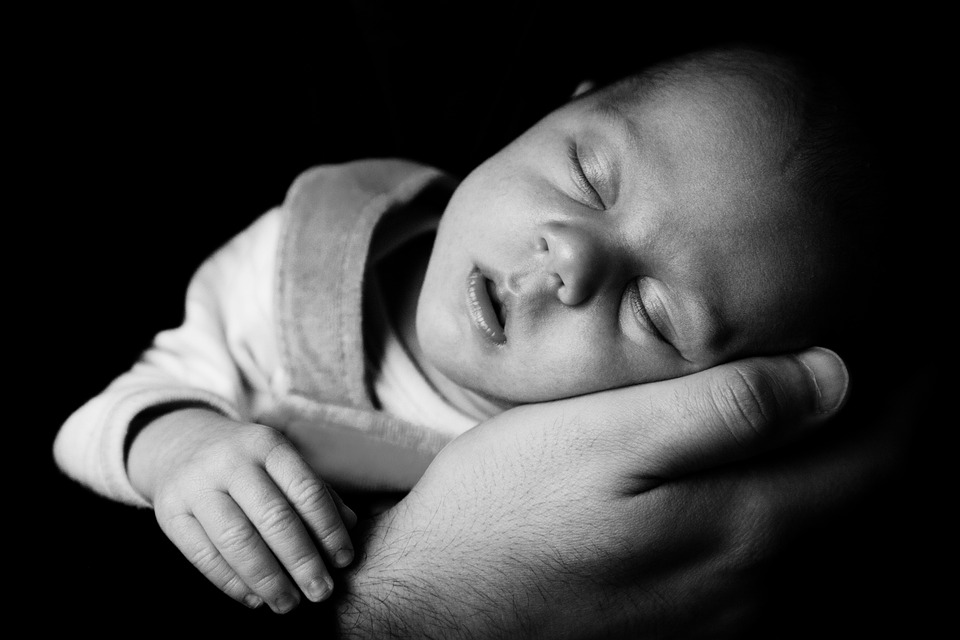
As a new parent, one of the biggest challenges you may face is establishing healthy sleep patterns for your baby. Sleep is important for both you and your baby’s physical and emotional health, but it can be difficult to know where to start. In this ultimate guide, we will provide you with everything you need to know to establish healthy sleep habits for your baby.
Why Is Sleep Important for Your Baby?
Sleep is crucial for a baby’s physical and emotional development. During sleep, the brain processes and consolidates new information, and the body releases growth hormones that aid in physical development. Adequate sleep also helps to regulate mood and behavior, which can affect your baby’s overall well-being.
Understanding Your Baby’s Sleep Needs
Babies have different sleep needs depending on their age. Newborns require a lot of sleep, often up to 16-17 hours a day, while older babies require less. Understanding your baby’s sleep needs is the first step in establishing healthy sleep habits.
Establishing a Sleep Routine
Creating a consistent sleep advice is important for establishing healthy sleep habits. This includes creating a bedtime routine, napping tips, and managing nighttime feedings.
Creating a Bedtime Routine
A bedtime routine can help signal to your baby that it is time to sleep. This may include a bath, reading a book, singing a lullaby, and rocking or cuddling. It is important to establish a consistent routine that can be replicated every night.
Napping Tips
Babies require frequent naps throughout the day. It is important to establish a consistent nap schedule that aligns with your baby’s sleep needs. This may include creating a naptime routine and ensuring your baby naps in a consistent environment.
Nighttime Feedings
Newborns require frequent nighttime feedings, but as your baby grows older, these feedings can be gradually reduced. It is important to establish a consistent feeding schedule and to not rely on feedings to soothe your baby to sleep.
Choosing the Right Sleep Environment
Creating the right sleep environment can help your baby fall asleep faster and stay asleep longer. This includes regulating temperature and humidity, lighting, noise, and safety considerations.
Temperature and Humidity
The ideal temperature for a baby’s sleep environment is between 68-72 degrees Fahrenheit, and humidity should be kept between 30-50%. It is important to avoid overheating your baby, which can increase the risk of Sudden Infant Death Syndrome (SIDS).
Lighting
A dark environment can help signal to your baby that it is time to sleep. It is important to avoid bright lights and to use a nightlight if needed.
Noise
White noise or soft music can help soothe your baby to sleep and mask any outside noise. It is important to avoid sudden loud noises, which can startle your baby awake.
Safety Considerations
It is important to create a safe sleep environment for your baby. This includes using a firm mattress and fitted sheet, avoiding loose bedding or toys in the crib, and keeping the crib away from any hazards such as cords or curtains.
Strategies for Soothing Your Baby to Sleep
Soothing your baby to sleep can be a challenge, but there are several strategies that can help. These include swaddling, pacifiers, white noise, and baby massage.
Swaddling
Swaddling can help your baby feel secure and calm. It involves wrapping your baby snugly in a blanket, leaving only the head exposed. It is important to follow safe swaddling practices to avoid overheating or hindering your baby’s movement.
Pacifiers
Pacifiers can help soothe your baby and reduce the risk of SIDS. It is important to establish safe pacifier practices, including avoiding pacifiers with cords or clips and not forcing your baby to use one.
White Noise
White noise can help your baby fall asleep faster and stay asleep longer. This can include sounds such as a fan or a white noise machine. It is important to keep the volume low and to place the device away from your baby’s crib.
Baby Massage
Baby massage can help soothe your baby and promote relaxation. This can include gentle strokes on the back or legs, and can be incorporated into your bedtime routine.
Common Sleep Challenges and Solutions
Even with a consistent sleep routine and the right sleep environment, your baby may experience sleep challenges such as night waking, sleep regression, teething, and separation anxiety. It is important to understand these challenges and implement appropriate solutions.
Night Waking
Night waking is common in babies, but can be disruptive to sleep for both you and your baby. Strategies to reduce night waking include establishing a consistent sleep routine, avoiding overstimulation before bedtime, and gradually reducing nighttime feedings.
Sleep Regression
Sleep regression can occur at various stages of your baby’s development, and can cause disruptions to their sleep. Solutions for sleep regression may include adjusting your baby’s sleep schedule, providing extra comfort, or seeking the advice of a healthcare professional.
Teething
Teething can cause discomfort and disrupt your baby’s sleep. Strategies for managing teething include providing safe teething toys, using pain relief medication if recommended by a healthcare professional, and providing extra comfort.
Separation Anxiety
Separation anxiety can occur when your baby starts to develop a sense of object permanence, and can cause distress when separated from their caregiver. Strategies to manage separation anxiety include gradually introducing your baby to new caregivers and environments, providing extra comfort and reassurance, and maintaining consistent sleep routines.
Conclusion
Establishing healthy sleep habits for your baby is crucial for their physical and emotional development, as well as your own well-being. By understanding your baby’s sleep needs, creating a consistent sleep routine, choosing the right sleep environment, and implementing soothing strategies, you can help your baby establish healthy sleep habits that will benefit them for years to come.
FAQs
- How can I tell if my baby is getting enough sleep?
- Look for signs of drowsiness, such as yawning or rubbing their eyes. Additionally, monitor their mood and behavior to see if they seem well-rested or overtired.
- When should I start sleep training my baby?
- It is recommended to wait until your baby is at least 4-6 months old before starting sleep training, as this is when they may start to develop regular sleep patterns.
- How long should my baby nap during the day?
- Nap needs vary depending on your baby’s age, but newborns may nap up to 4 hours a day, while older babies may nap 1-3 hours.
- Should I let my baby cry it out when sleep training?
- This is a personal decision and should be based on your own parenting style and the needs of your baby. Some sleep training methods involve allowing your baby to cry for short periods of time, while others do not.
- How can I create a sleep-friendly environment for my baby?
- Choose a safe and comfortable crib, use a firm mattress and fitted sheet, avoid loose bedding or toys in the crib, and keep the crib away from any hazards such as cords or curtains. Additionally, consider using white noise or blackout curtains to create a calm and dark environment.
