
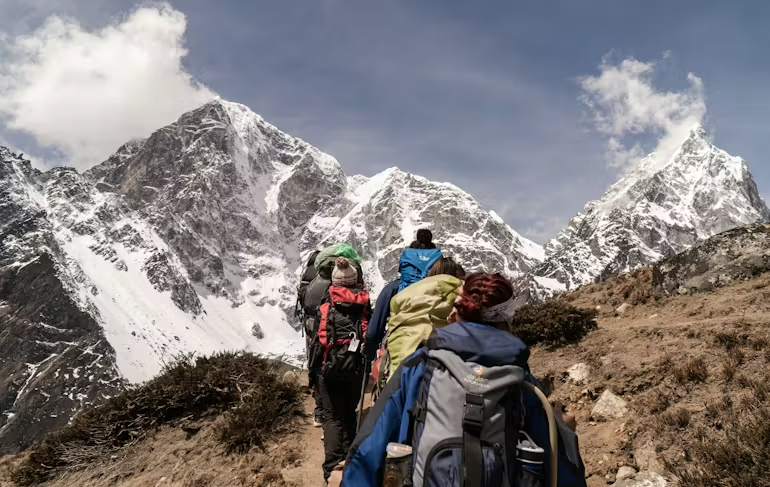
A sustainable trek is a journey through routes that reduce your impact on the environment while supporting local communities. It is also about how you move through the mountains — from the places you stay to the waste you create and the people you interact with.
Trekking here has always been about the mountains — the space, the quiet, and that feeling of being far removed from everyday life. But things have been changing. More people are arriving each year, trails are getting busier, and the effects of tourism are becoming more noticeable.
That doesn’t take away from the experience. It just means how we travel matters more now.
What Sustainable Trekking Really Means
Sustainability can sound like a big, complicated idea when you first hear it. But when you are on a trekking trail, it feels much simpler.
It comes down to small choices — what you carry with you, how you manage your waste, and how you behave in places that aren’t built for heavy tourism. In remote parts of Nepal, these things matter more because there isn’t much infrastructure to deal with the impact.
So it’s not about doing everything perfectly. It’s just about being a bit more aware and not treating the place like something disposable.
Eco-Friendly Trekking Routes in Nepal
Not every trekking route in Nepal feels the same. Some see a lot of traffic, while others still feel quieter and less touched by tourism. If you’re trying to travel more responsibly, where you go can make a real difference.
Manaslu Circuit Trek
The Manaslu Circuit Trek sits somewhere in the middle. It’s not completely untouched, but it’s far less crowded than Everest or Annapurna. Because it’s a restricted area, authorities control the number of trekkers, and you need to go with a guide.
That might feel like a limitation at first, but it actually helps keep things more balanced. The trail doesn’t feel overrun, and the villages along the way still feel lived-in rather than built for tourism.
Kanchenjunga Region
If you go further east, the Kanchenjunga region feels even more remote. Fewer trekkers make it here, so everything moves at a slower pace.
Facilities are basic, and the journey can be more demanding, but that’s also why the area feels less disturbed. It’s the kind of place where you really notice how little has changed.
Upper Dolpo and Upper Mustang
Upper Dolpo and Upper Mustang offer a completely different setting. The landscapes are drier, more open, and almost desert-like in parts. Authorities control access through permits, which helps limit the number of visitors.
Because of that, both the environment and the local culture have remained relatively well preserved.
In the end, the route you choose shapes the kind of experience you have. Some places naturally feel more suited to a quieter, more mindful way of trekking — and those are often the ones that stay with you the longest.
The Reality of Waste on the Trails
One thing that often gets overlooked during a trek in the Himalayas is waste management. On some trails, especially the busier ones, you start to notice it — plastic bottles, snack wrappers, things that don’t really belong there.
The problem is that many of these places don’t have proper systems to deal with it. People do not always take back what they carry to these areas.
That’s why it comes down to individual choices. Being a bit more careful about what you bring and making sure you don’t leave anything behind as a trekker goes a long way in places like this.
Simple Practices That Make a Difference
You don’t need to change everything to trek more responsibly. A few small habits are usually enough.
Carrying a reusable water bottle is one of the easiest ones. Instead of buying plastic bottles along the way, you can refill and treat your water. It cuts down waste without much effort.
The same goes for snacks and packaging. If you can avoid single-use plastics or carry your waste back out, it already makes a difference on trails where disposal options are limited.
Where you stay and eat matters too. Choosing local teahouses and eating what is available there supports the people who live in those areas. This also reduces the need to bring in extra supplies.
None of this is complicated. It’s just about being a bit more aware of your choices while you are on the trail. You can also look at alternatives that reduce time on the trail while still offering the experience. For example, the Everest Base Camp Helicopter Tour lets you see the Himalayas up close without adding pressure to already busy trekking routes.
Supporting Local Communities
Trekking here isn’t just about the views — it’s also about the people you meet along the way. Where you stay, who you hire, and what you eat all matter more than they seem.
Choosing local teahouses, going with local guides, and eating what’s available there keeps things simple and direct.
In many of these places, trekking is a big part of how people earn a living. So where your money goes actually makes a difference.
Regulations and Permits
Some trekking areas in Nepal require permits and a guide. These areas are classified as restricted areas, which is why access is limited.
Because of this, planning can feel like extra work, especially when arranging permits and guides. But once you are on the trail, it doesn’t feel like a restriction.
These places aren’t meant for large numbers of people, and keeping it that way is part of what makes them different. The trails feel quieter, and the villages don’t feel built around tourism.
That’s also why areas like Manaslu haven’t changed as much as the more popular routes.
Final Thoughts
Trekking in Nepal is changing, whether we notice it or not. Some trails are getting busier, and the impact is starting to show.
That doesn’t mean you have to overthink everything. It just means being a bit more aware of how you travel.
Sometimes it’s small things — where you stay, what you carry, and how you treat the place. But those are the things that quietly shape the experience.
Visit our website for more.
