
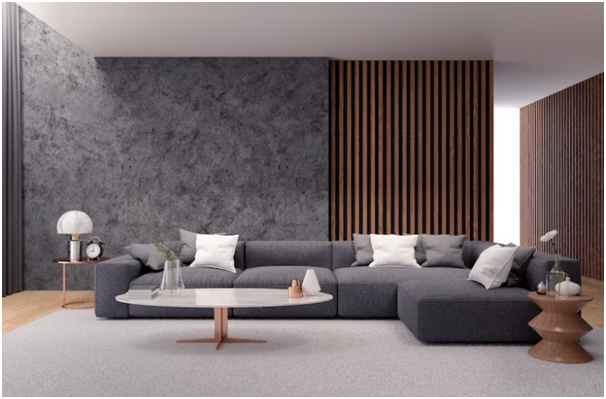
If you have a passion for creating beautiful spaces and a knack for design, pursuing an interior designing course in India can be the perfect pathway to unlocking your creative potential. India is home to a vibrant and thriving interior design industry, and with the right training and education, you can embark on a fulfilling career in this field.
One of the popular choices among aspiring interior designers is the Diploma in Interior Design program, which offers comprehensive training and equips students with the skills and knowledge necessary to excel in the industry. In this article, we will explore the ultimate interior designing course in India and the exciting opportunities it presents for budding designers.
I. Understanding the Diploma in Interior Design:
The Diploma in Interior Design is a specialised program that focuses on developing students’ skills in conceptualising, planning, and executing interior design projects. It covers a wide range of topics, including design principles, space planning, materials and finishes, color theory, lighting design, furniture design, and project management. The curriculum is designed to provide a holistic understanding of the field and prepare students for the practical challenges they may encounter in their careers.
II. Comprehensive Curriculum:
One of the key advantages of the Diploma in Interior Design program is its comprehensive curriculum. The course combines theoretical knowledge with practical applications, giving students a well-rounded understanding of the industry. Students learn about the history of interior design, architectural drawing, computer-aided design (CAD), 3D modeling, and rendering techniques. They also gain insights into sustainable design practices, building codes and regulations, and client communication. The curriculum is carefully designed to equip students with the necessary skills and knowledge to tackle real-world interior design projects.
III. Hands-on Learning Experience:
Another highlight of the Diploma in Interior Design program is the emphasis on hands-on learning. Students have the opportunity to work on various design projects, both individually and in groups, allowing them to apply their theoretical knowledge in practical settings. They learn to create mood boards, develop design concepts, produce technical drawings, and present their ideas to clients. This experiential learning approach not only enhances their design skills but also prepares them for the challenges they may face in the industry.
IV. Industry Exposure:
To thrive in the interior design industry, it is essential to have exposure to real-world projects and industry professionals. The best interior designing courses in India often incorporate industry exposure through guest lectures, workshops, site visits, and internships. Students get the opportunity to interact with experienced designers, architects, and industry experts, gaining valuable insights into the profession. This exposure not only broadens their horizons but also helps them build a strong professional network, which can be beneficial for future career opportunities.
V. Focus on Creativity and Innovation:
Interior design is a field that thrives on creativity and innovation. The Diploma in Interior Design program encourages students to think outside the box and push the boundaries of conventional design. They are encouraged to experiment with different materials, textures, colors, and spatial configurations to create unique and inspiring interiors. The program fosters a creative environment where students can explore their individual design styles and develop their personal aesthetic.
VI. Practical Skill Development:
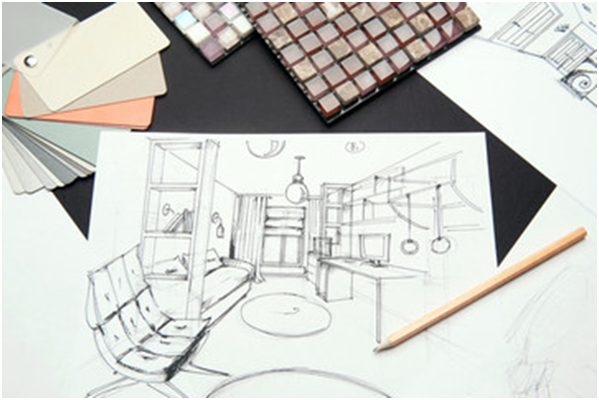
Apart from creativity, practical skills are crucial for a successful career in interior design. The Diploma in Interior Design program places a strong emphasis on developing practical skills that are essential in the industry. Students learn technical drawing techniques, CAD software proficiency, 3D modeling, and rendering skills. They also gain knowledge of materials, finishes, and furniture design. These practical skills enable students to effectively communicate their design ideas and bring them to life.
VII. Career Opportunities:
Upon completion of the Diploma in Interior Design program, graduates can explore a wide range of career opportunities in the interior design industry. They can work as interior designers in architectural firms, design consultancies, or real estate development companies. They can also pursue freelance work or start their own interior design businesses. Additionally, graduates can find employment in industries related to set design, exhibition design, retail design, and hospitality design. The growing demand for interior designers in India opens up a world of possibilities for aspiring designers.
VIII. Choosing the Right Interior Designing Course:
When considering an interior designing course in India, it is essential to choose the right institute that offers a comprehensive and industry-relevant curriculum. Look for institutes that have experienced faculty, state-of-the-art facilities, and a strong industry network. Consider the institute’s reputation, alumni success stories, and placement opportunities. Research the curriculum to ensure it covers the essential topics and provides practical exposure to the industry.
Conclusion
Embarking on a Diploma in Interior Design program in India can be a transformative journey for aspiring interior designers. It provides a solid foundation in design principles, practical skills, and industry exposure, preparing students for a successful career in the field. The comprehensive curriculum, hands-on learning experience, and focus on creativity and innovation ensure that students are well-equipped to tackle the challenges of the industry. By choosing the right interior designing course, you can unleash your creative potential and unlock a world of opportunities in the dynamic and rewarding field of interior design.
